请输入关键字
A Story of Gardens VI – The Timeless Charm of Classical Chinese Furniture
Furniture has accompanied human life across time and space—from the simple wooden stakes and stools of our ancient ancestors to majestic thrones, from reed mats to high beds with curtains. It has continuously developed and evolved alongside the progress of human civilization. With its distinctive development path and artistic style, furniture permeates every aspect of social life and is closely connected with people’s daily needs—clothing, food, housing and travel.
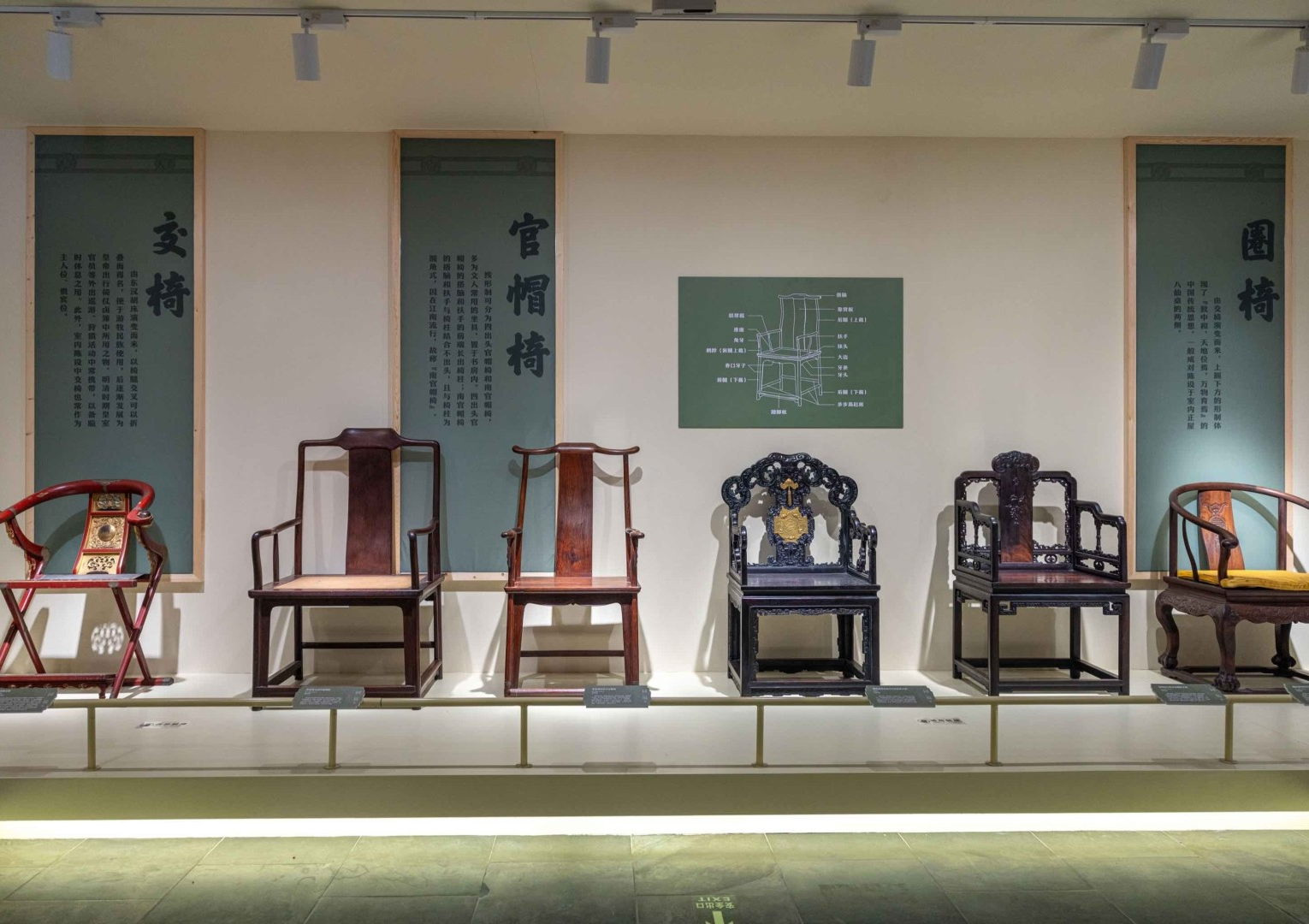
Classical Chinese furniture is especially remarkable. Its structure derives from architecture, its lines from calligraphy, its charm recalls sculpture, its rhythm echoes music, and its spirit is rooted in China. As a treasure of the world’s cultural heritage, it holds a unique place among the arts of living.
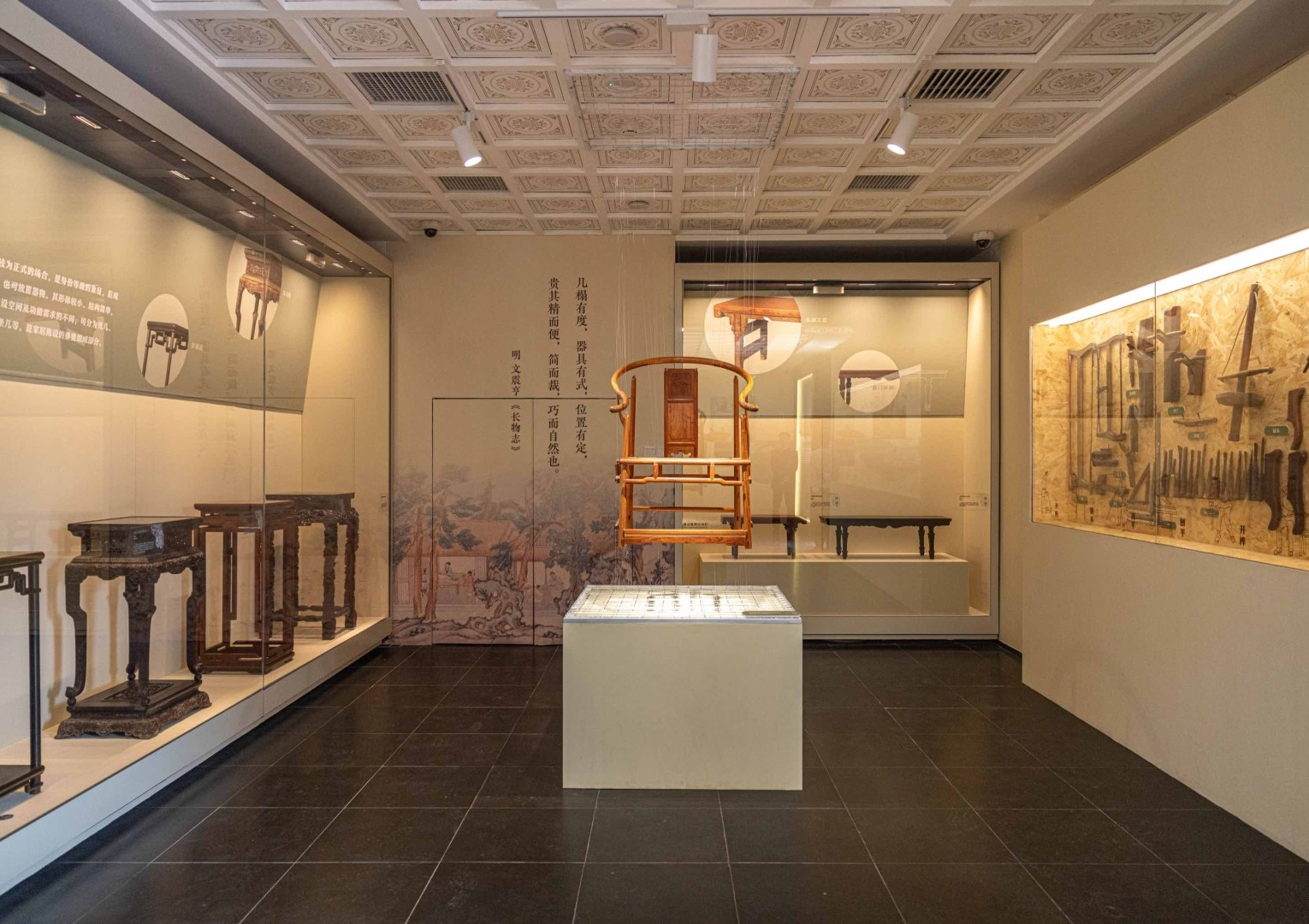
In the choice of precious hardwoods and in the use of mortise-and-tenon joinery, time itself is the best testament to the quality of classical Chinese furniture, surpassing any praise in words. The meticulous craftsmanship embodied in each piece reflects the spirit of ancient Chinese artisans. Let us step into the world of classical Chinese furniture and experience the harmony and refinement of traditional Chinese culture.

Introduction to the Exhibition Sections
Precious Woods and Exquisite Craftsmanship
A Vessel of Culture
Mutual Learning between China and the West
Suitable for Various Settings
Conclusion
Precious Woods and Exquisite Craftsmanship
Classical Chinese furniture has a long history, and its development is closely linked to changes in traditional ways of life. As people moved from kneeling or sitting cross-legged on mats to sitting on raised seats with their legs hanging down, furniture passed through an initial stage in the pre-Qin period, developed further in the Wei and Jin dynasties, matured in the Song and Yuan dynasties, and reached its peak in the Ming and Qing dynasties. Over time it formed a complete system, with a full range of types, elegant forms, distinctive styles and rich cultural meanings.
At each historical stage, the shapes, functions, craftsmanship and materials of furniture were influenced by factors such as the natural environment, politics and the economy, ethnicity and religion, and cultural exchange, giving rise to styles characteristic of their times.
A Vessel of Culture
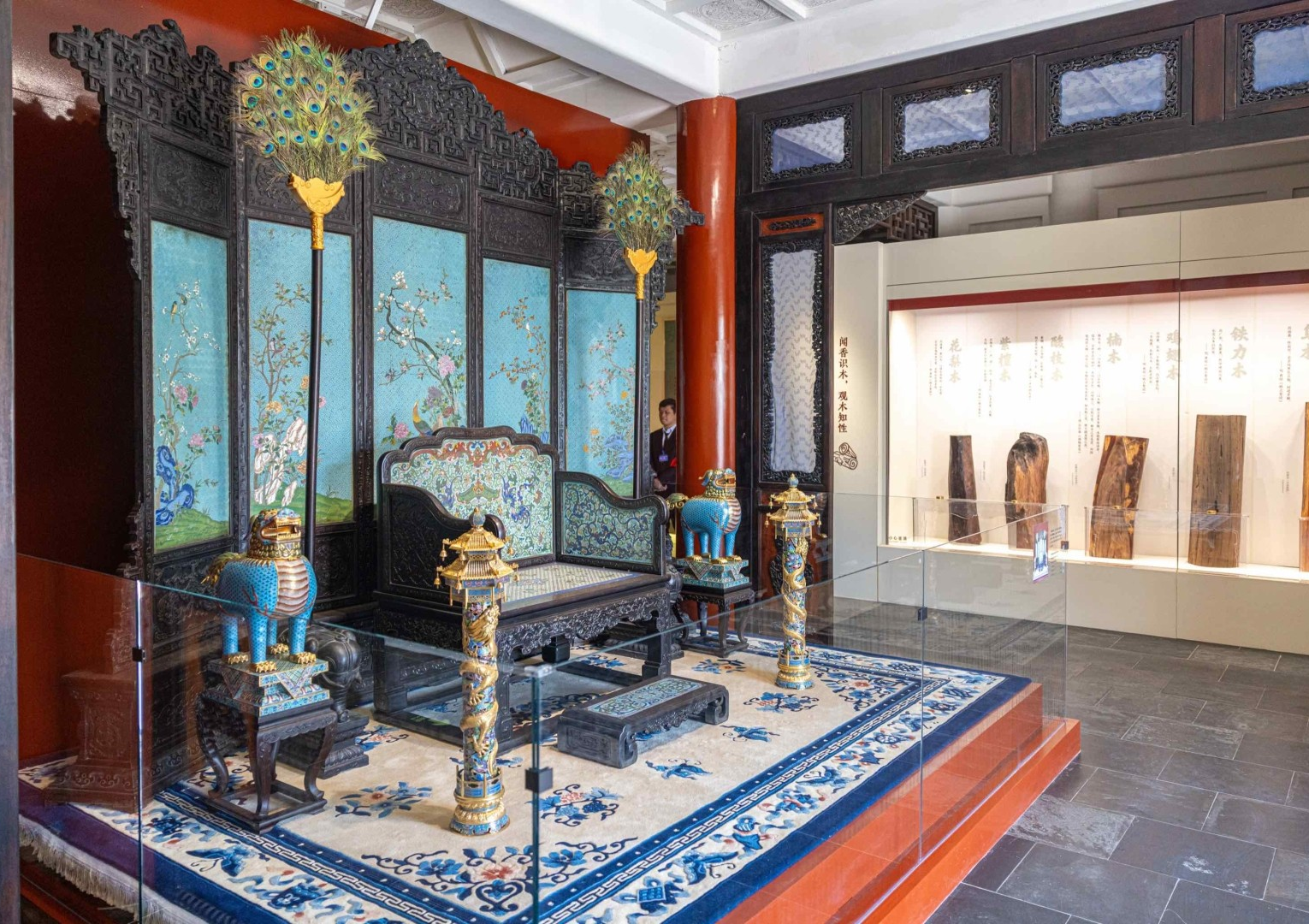
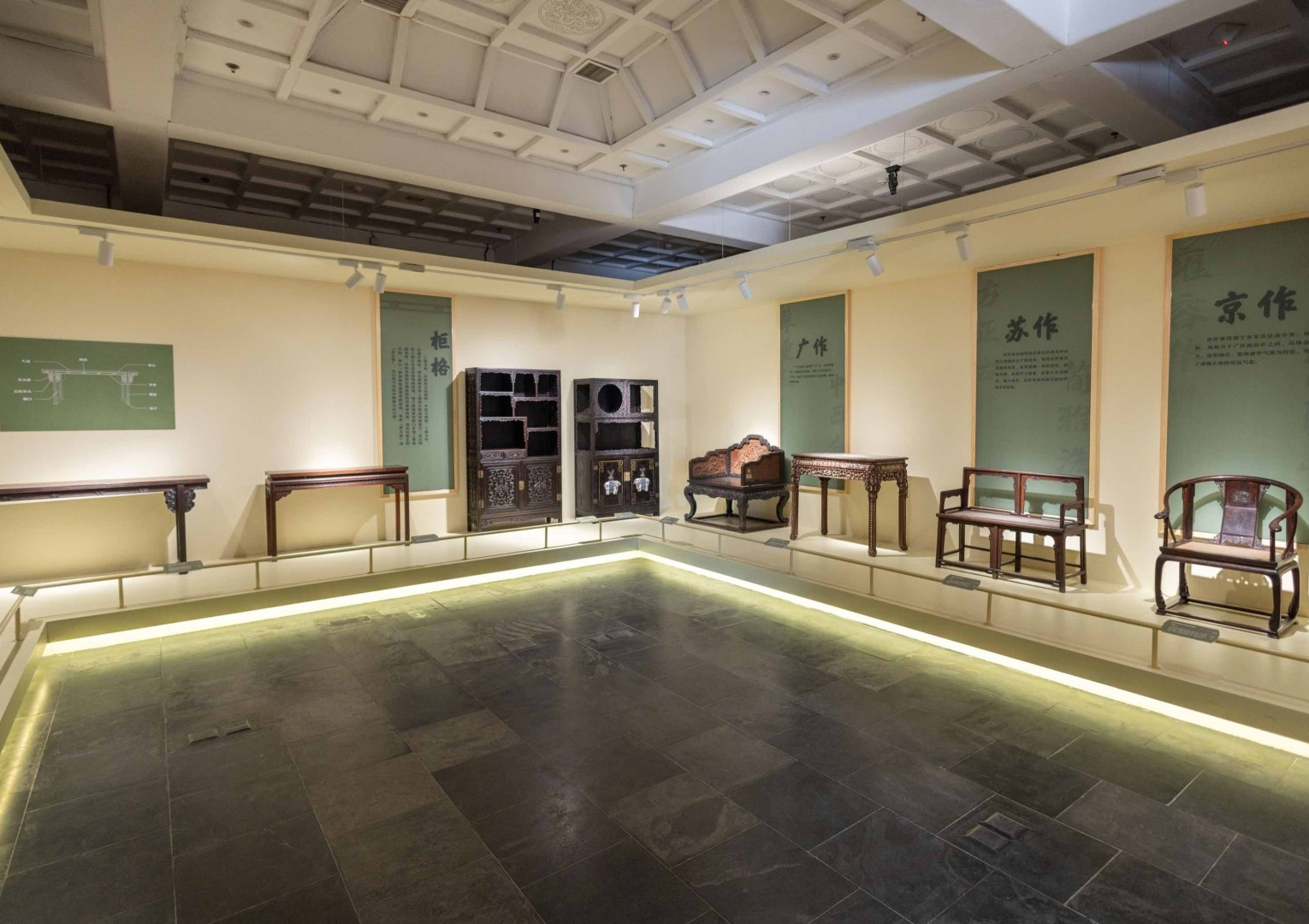
Furniture is not only an article for daily use, but also an important material carrier of traditional Chinese culture. Furniture of the Ming and Qing dynasties embodies profound cultural meanings: it reflects hierarchical ritual culture, the fresh and refined culture of the literati, and diverse regional cultures, and thus mirrors the ideas of propriety and the aesthetic ideals of traditional China.

Mutual Learning between China and the West
In the 17th century, as Eastern and Western cultures began to interact and merge, the aesthetic features of Western art resonated with the aesthetic preferences of the Qing dynasty court. Qing-style furniture accordingly changed in form, ornament, decorative techniques and overall style. New types such as open-front cabinets and single-pedestal tables ushered in new fashions in social life, while techniques such as enamel inlay and painting on glass enriched the decorative vocabulary of classical furniture.
Suitable for Various Settings
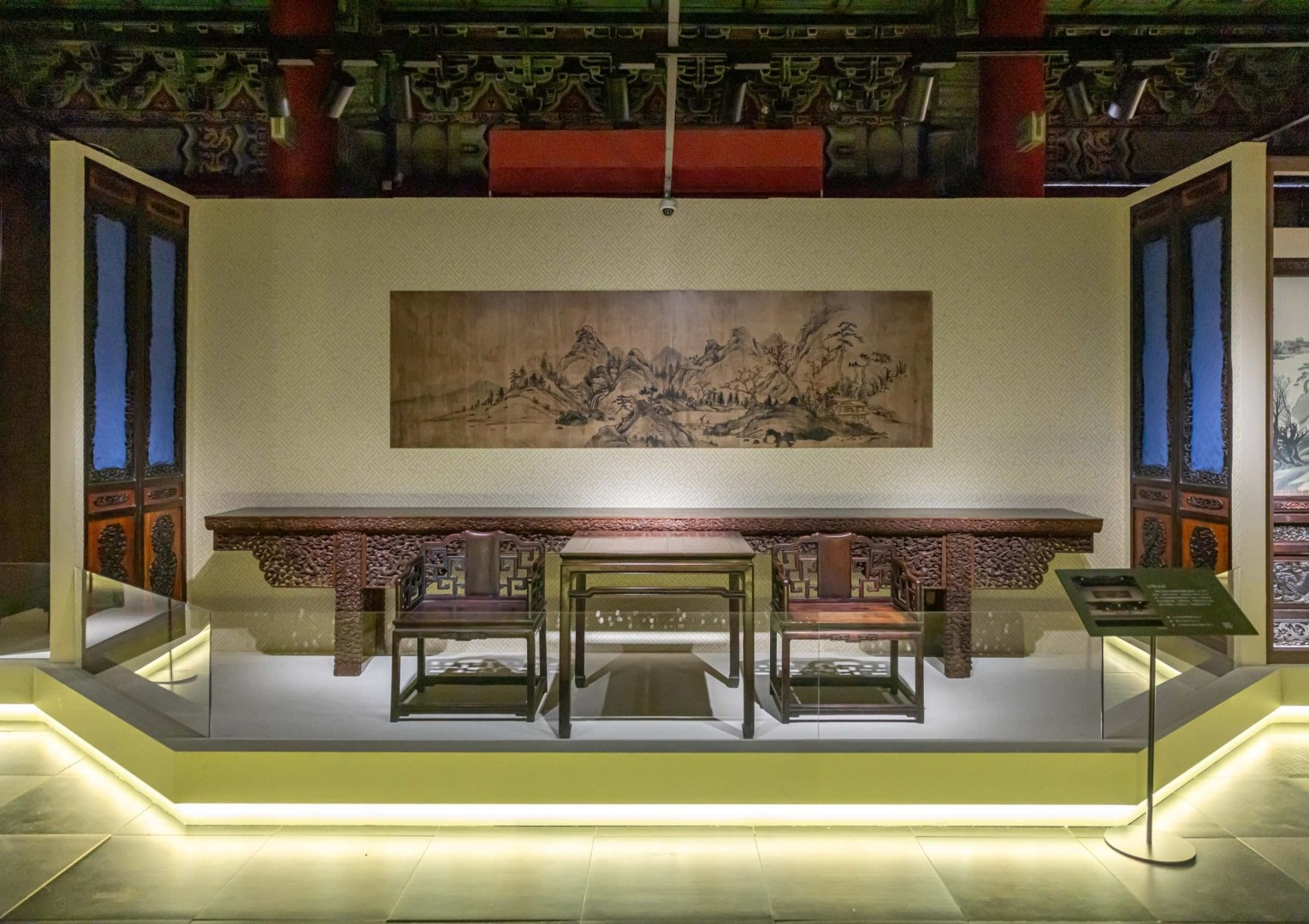
In the Ming and Qing dynasties, the furniture used in gardens was closely related to the spatial layout and architectural functions of the garden. Furnishings in different settings followed specific conventions and requirements, serving both practical and aesthetic purposes while complementing the surrounding scenery.
“Every corner of the garden presents an elegant atmosphere, and every piece of furniture reveals its distinctive character.” With its unique charm, furniture blends into gardens and nature, recreating the everyday life and furnishing aesthetics of people in bygone times.
Conclusion
Classical Chinese furniture is an important carrier of China’s fine traditional culture. Its philosophy of following the Dao and the laws of nature, its design ideal of seeking harmony without uniformity, and its exquisite and ingenious techniques have produced a system of furniture with elegant forms, precise mortise-and-tenon joints, carefully selected materials and a full range of types.
Together these realize an organic integration of function and form, a synthesis of the wisdom of literati and craftsmen, and a rich yet unified tapestry of history and culture. Classical Chinese furniture embodies the aesthetic orientation, values and enduring spirit of the Chinese nation and occupies an important place in the history of world furniture. Its powerful cultural genes and deep historical roots offer important inspiration for the design and production of both modern Chinese and Western furniture. Classical furniture reflects not only timeless beauty, but also the continuity of culture.
Unit Collection
Related Information