A Story of Gardens V – Integration and Development of Famous Gardens in North and South China
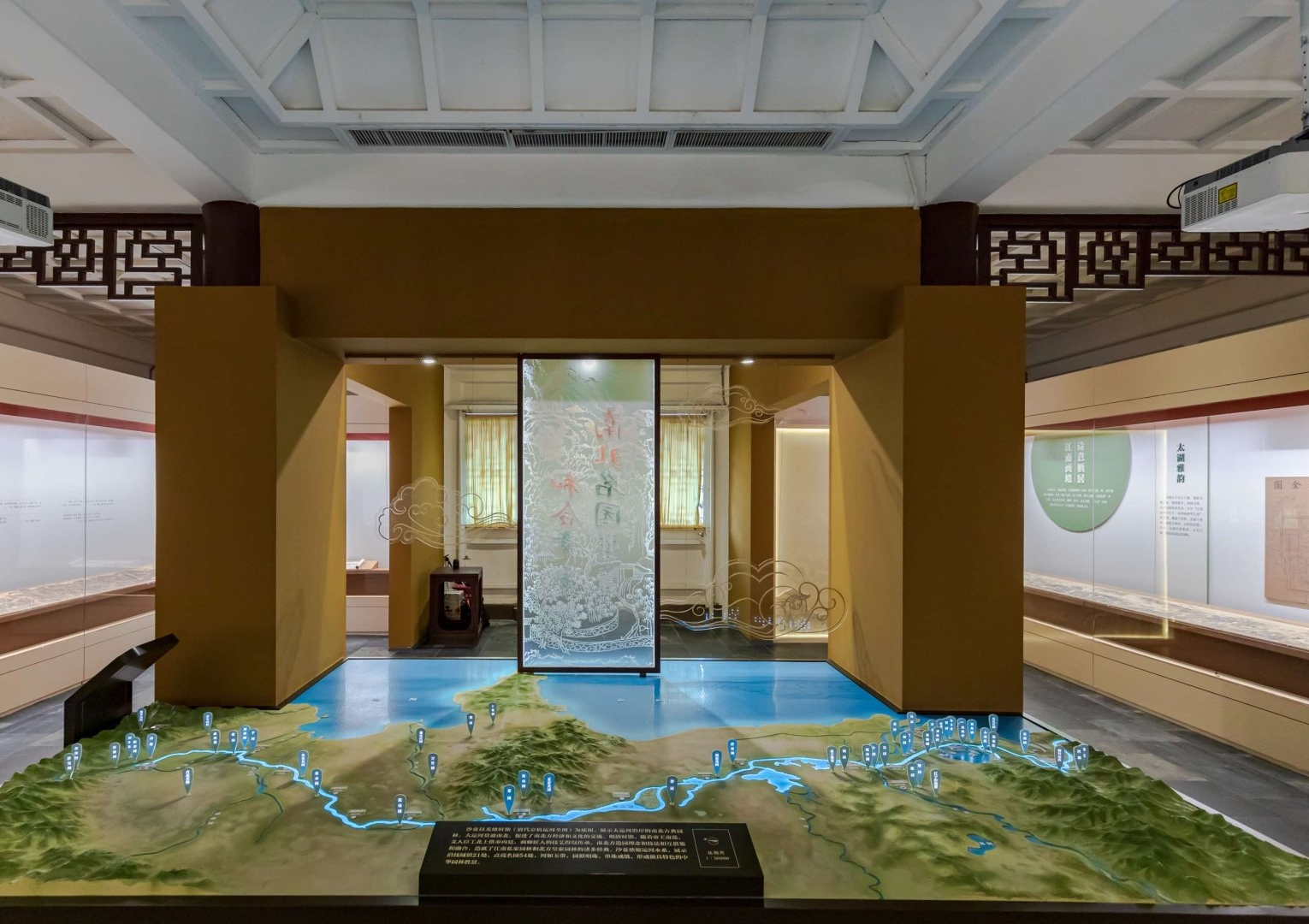
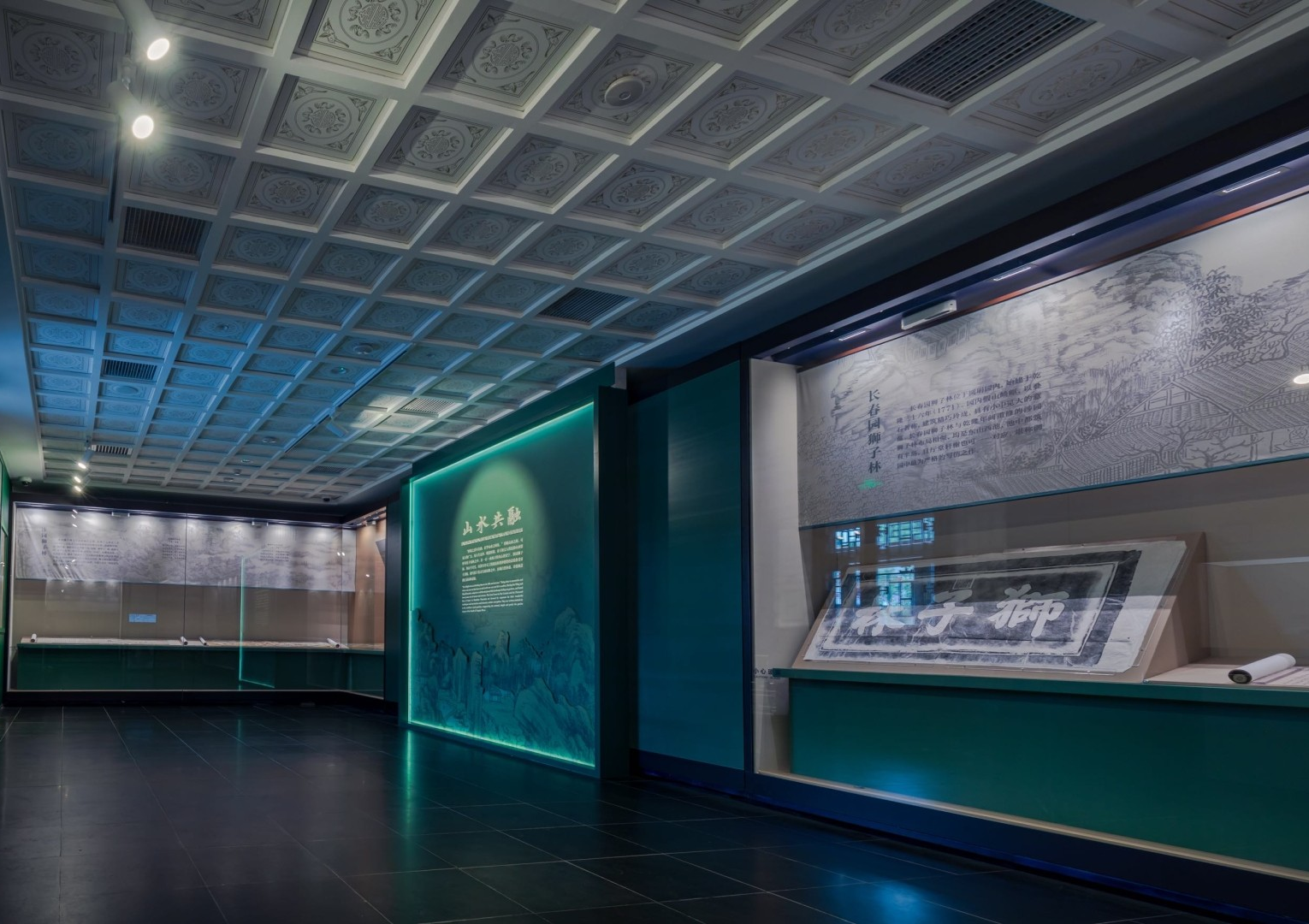
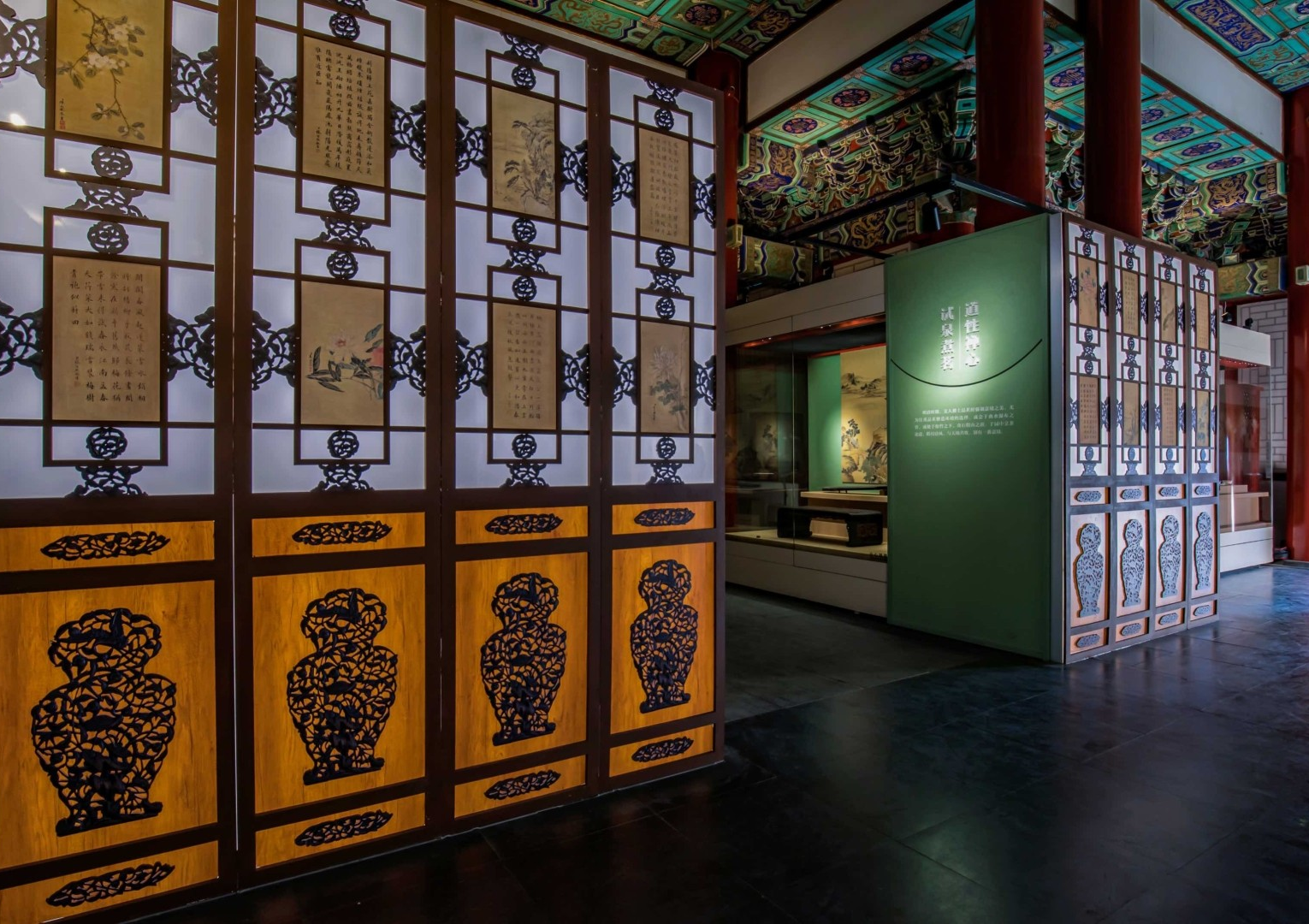
Chinese classical gardens have a history of more than 3,000 years, which can be traced back to the you (parks) of the Shang and Zhou dynasties. Originating in the north and flourishing in the south, they entered a mature stage in the Ming and Qing dynasties, when their scale and artistic achievement reached a peak. Among them, the imperial gardens in the north and the private gardens south of the Yangtze River are the two most representative types. Each has its own distinctive character, yet they have always influenced one another, integrating and evolving, innovating while inheriting tradition and learning through imitation. Together they have created the natural charm that “although man-made, a garden must appear ingenious and natural” and the poetic realm in which “a painting becomes a garden, and the garden becomes a painting”. They embody the philosophical wisdom of “harmony between man and nature; the gentleman values virtue” and have long served as a spiritual homeland for the Chinese people.
Today, as precious cultural heritage, the famous gardens of north and south China still provide an inexhaustible source of inspiration, satisfying people’s longing for a better life and playing an important role in the inheritance and development of Chinese culture with their unique charm.